“If they don’t give you a seat at the table, bring a folding chair.”
“If they don’t give you a seat at the table, bring a folding chair.”
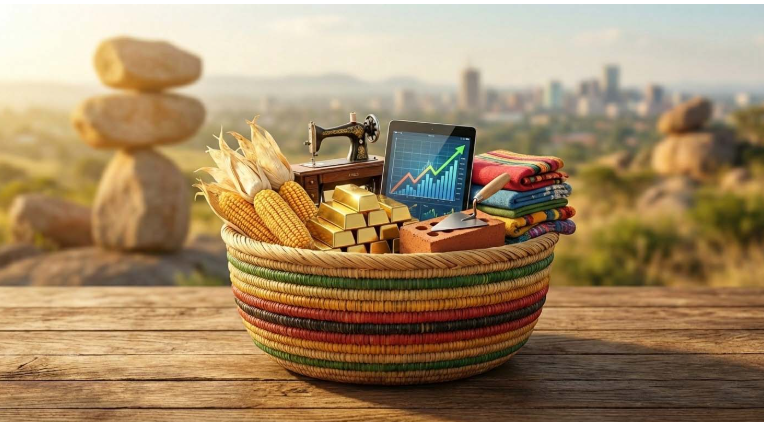
In a volatile economic landscape, the “old way” of doing microfinance—relying on a single sector or a narrow client base—is no longer just a limitation; it’s a risk. To survive and thrive, Zimbabwean Microfinance Institutions (MFIs) must evolve from simple lending models into Diversified Financial Ecosystems.
“Instant loan approval. No paperwork. Funds today.” For many Zimbabweans navigating economic uncertainty, messages like these are hard to ignore. They arrive through Facebook, WhatsApp, and other digital platforms, often promising fast relief in moments of financial pressure.
Micro, Small and Medium Enterprises (MSMEs) are the heartbeat of Zimbabwe’s economy. Contributing over 60% to employment and nearly 50% to the country’s GDP, MSMEs play a pivotal role in job creation, poverty alleviation, and grassroots economic development. As such, supporting the growth and sustainability of this sector is not just a policy directive—it is a national imperative.
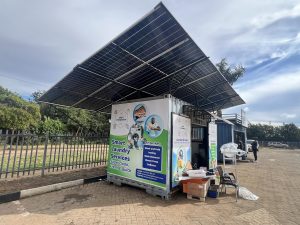
In the quiet corners of Zimbabwe, where entrepreneurial spirit is strong but access to power is weak, a transformation is quietly underway. At dusty roadside stalls, in village workshops, and inside makeshift salons humming with the sound of ingenuity, a new kind of energy is beginning to flow. Not just solar energy, but the kind of energy that powers dignity, opportunity, and change. At the heart of it all? A partnership grounded in innovation, inclusion, and impact.
This website is operated by Zimbabwe Microfinance Fund (Private) Limited (ZMF).
This is a static informational website and does not collect, store or process personal information from visitors.
Certain information and documents available on this website are intended solely for authorised stakeholders and partners.
Unauthorised disclosure or distribution of information from this website is prohibited and may result in legal action.
This will close in 0 seconds